
Mustard Oil
From Seed to Bottle: The Journey of Netaji Yellow Mustard Oil
From Seed to Bottle: The Journey of Netaji Yellow Mustard Oil
Every bottle of Netaji Yellow Mustard Oil represents a journey of careful selection, traditional taste, quality-focused processing, and hygienic packing. Mustard oil has been part of Indian kitchens for generations, especially in recipes where bold aroma, sharp flavour, and authentic cooking style matter.
From the first stage of mustard seed selection to the final sealed bottle, each step helps protect the oil’s natural character and deliver a consistent cooking experience. For families who enjoy traditional Indian food, yellow mustard oil is not just a cooking medium. It is a key ingredient in pickles, sabzi, curries, snacks, and regional recipes.
1. Selection of Mustard Seeds
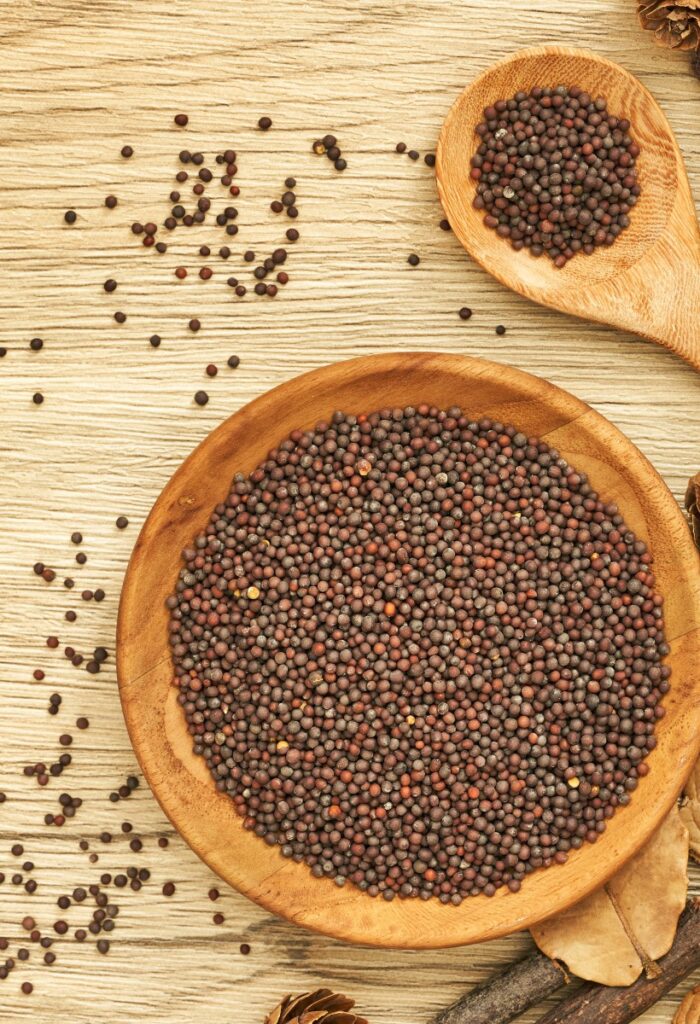
The journey begins with mustard seeds. Good oil depends on suitable raw material, so seed quality is an important starting point. Mustard seeds are checked for appearance, cleanliness, and suitability before they move ahead for processing.
This step matters because the natural aroma and taste of mustard oil come from the seeds themselves. A consistent selection process helps create oil that performs well in everyday cooking and keeps the expected mustard flavour intact.
2. Traditional Taste with Modern Care
Indian customers often prefer mustard oil because of its strong aroma and traditional cooking identity. Netaji Yellow Mustard Oil is made to support this preference while following a quality-focused production approach.
The aim is to offer oil that feels familiar in the kitchen and reliable in use. Whether it is used for tadka, sautéing, frying, or pickling, the oil should support the recipe without losing its distinct mustard character.
3. Filtration for Clarity and Clean Use
After extraction, mustard oil goes through filtration to help remove unwanted particles and improve clarity. This step helps the oil look cleaner and makes it more suitable for regular household use.
Filtration is important because customers expect cooking oil to appear clear, consistent, and easy to use. A clean-looking oil also improves confidence in the product and supports a better cooking experience.
4. Hygienic Bottling and Packaging
Packaging plays an important role in protecting edible oil. Once the oil is ready, it must be packed properly so that it reaches customers in good condition. Hygienic bottling and proper sealing help protect freshness, aroma, and usability.
Good packaging also makes storage easier for customers and gives important product information. For everyday kitchen products, practical packaging is just as important as product quality.
5. Bringing Traditional Flavour to Indian Meals
Netaji Yellow Mustard Oil is especially useful in recipes where mustard aroma adds depth and character. Its bold flavour works well with spices and helps create the familiar taste many Indian families love.
- For pickles: Mustard oil is a classic choice for Indian achar.
- For sabzi: It adds a rustic flavour to vegetables like aloo, gobi, bhindi, and baingan.
- For snacks: It can be used in pakoras, pooris, and festive dishes.
- For curries: It supports regional recipes that need a strong mustard-oil base.
- For tadka: It helps spices release a bold aroma.
Why Yellow Mustard Oil Is Loved in Indian Kitchens
Yellow mustard oil is known for its strong taste and bright character. It pairs well with common Indian spices such as rai, methi, jeera, hing, haldi, red chilli, and saunf. This makes it suitable for recipes that need depth, aroma, and a traditional finish.
For many households, mustard oil is linked with seasonal cooking, pickles, winter dishes, and home-style food. Its role goes beyond basic frying or sautéing; it gives dishes a distinct identity.
Simple Cooking Tips
- Use mustard oil in recipes where bold flavour is desired.
- Heat the oil properly before adding spices for tadka.
- Use the right quantity according to the dish.
- Store the bottle in a cool and dry place.
- Keep the cap closed after use to maintain freshness.
- Avoid overheating oil unnecessarily for long periods.
Frequently Asked Questions
What is yellow mustard oil used for?
Yellow mustard oil is commonly used for Indian cooking, pickles, sabzi, snacks, curries, and tadka where a bold mustard flavour is preferred.
Can Netaji Yellow Mustard Oil be used for achar?
Yes, mustard oil is widely used in Indian pickle recipes because of its sharp taste and traditional character.
Why does mustard oil have a strong aroma?
The strong aroma comes naturally from mustard seeds. This distinctive smell is one reason mustard oil is valued in traditional Indian recipes.
How should mustard oil be stored?
Store the bottle in a cool, dry place away from direct sunlight and keep it closed after use.
Conclusion
The journey of Netaji Yellow Mustard Oil from seed to bottle is built around taste, quality, hygiene, and tradition. From seed selection to filtration and packing, each step supports the oil’s role in Indian cooking. Whether used for pickles, snacks, sabzi, or regional recipes, it brings bold flavour and trusted familiarity to the kitchen.